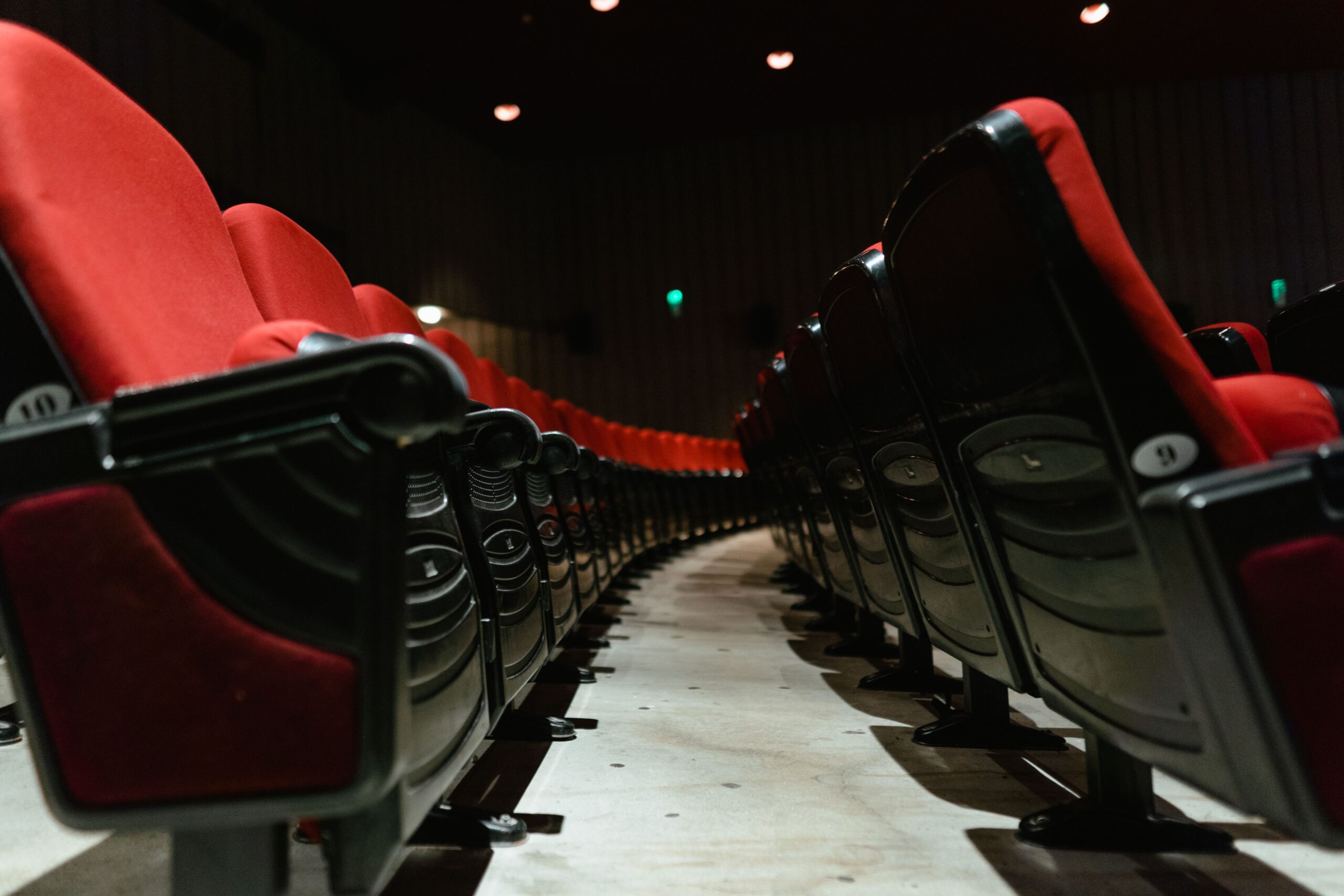
I recently went to see a show at a theater in Philadelphia on a Saturday night, which should be the easiest night of the week to sell, and the house wasn’t even half full. I had been casually talking with one of the producers, and the pricing of tickets came up in conversation. Their tickets started at $55 and he was struggling to get the team to see how the pricing was affecting sales. Around the same time, I’d seen a Broadway show in New York where I could have walked up and bought a rush ticket for $45, ten dollars less than the cheapest seat in Philadelphia. Even if I bought a ticket ahead of time, the starting prices were $59.
Even after I raised that comparison, the producer reiterated that even after he previously mentioned that, the team didn’t want to drop the price. I personally can validate that instinct because nobody wants to feel like they’re marking down the work. My perspective has always been that I would rather fill the house with $40 seats than play to a mostly empty room at $65. I can’t prove price was the only reason that Saturday was light, however, I do think it’s the question leadership teams put off the longest, because it touches the budget and how an organization sees itself.
How to Compare Your Ticket Prices Against Other Markets
I’m having a version of the same conversation with a 200-seat venue in Phoenix that I consult for. This season the venue launched a faith-based concert series and priced it at $65 to $70, the top of what it normally charges. One of the artists in that series was playing a room of about the same size in New York around the time I started digging into our sales. Her tickets there were about $40, and she sold out the first of two performances that night while still working on the second. In contrast, her Phoenix date had sold less than 10 tickets with less than two weeks from the performance.
I can validate that those two rooms differ in more than price. For example, New York is a bigger market, and the Phoenix audience is being introduced to her through a series in its first season. Despite the differences, price is still the one variable the venue fully controls, and the audience has started saying so. The venue’s website has an exit survey that appears when someone leaves the ticketing page, and the majority of responses cited the tickets were too expensive. If we set the price at $65 and nobody buys at $65, then the ticket isn’t worth $65 to this audience yet.
Are Theater Audiences Getting More Price Sensitive?
I wanted to know whether I was seeing a pattern or a coincidence across two projects, so I went looking at recent data. JCA, a consulting firm that works with nonprofits, published a study in August 2026 that tracked five seasons of ticketing data from 44 performing arts organizations. Capacity sold reached 68%, the highest point in those five seasons, which is encouraging. What caught my attention was b uyers are leaning slightly toward cheaper seats, and the average price people actually pay keeps falling behind both inflation and the starting prices organizations set.
Australia’s national arts agency found a similar tension in a survey of 9,065 people released in June 2026. Attendance at live arts events was the highest the survey has recorded since it began in 2009, and yet 60% of respondents named the cost of tickets or entry as the biggest barrier to going, up from 55% in 2022. More than half said they had skipped events they wanted to attend because of cost. That’s an Australian audience, so I read it as a parallel signal for American theaters. What it tells me is that the interest is there, and price is keeping a large share of interested people from buying.
Does Discounting Theater Tickets Hurt Your Brand?
This is the objection I hear most from leadership, and the Phoenix venue has held to it for years. It has never run promo codes or sales because its leadership believes discounting devalues what the venue offers. I understand that concern. If you discount every show, you train your audience to wait for a deal, and that habit is hard to undo.
Where I part ways with it is when a price has been tested and the market keeps saying no. Holding the number at that point protects less than leadership hopes, because the people who did buy are sitting in a half-full room and drawing their own conclusions about whether this is a place worth coming back to.
I’d also pull apart two moves that tend to get lumped together. A markdown announced the week of a show can look like worry to anyone reading your emails. A block of accessible seats published before tickets go on sale looks like a decision the organization made on purpose, and most theaters already say in their mission statements that they want a broad audience in the room.
How Empty Seats Affect Word of Mouth and Artist Relationships
Audiences can tell when a house is light, and the people who did buy a ticket walk out with a smaller story to tell their friends. For smaller theaters, those stories are how the next show fills, which is why I care so much about getting people in the door. I have seen productions that were amazing, but didn’t feel meaningful because nobody showed up. I hate the assumption that quality lacks because the house isn’t full, but it is an unfortunate reality of perception.
As a performer myself, I can confidently tell you that the artists on stage can tell too. If an artist sells out a room in New York and then plays to a scattered crowd in Phoenix, she has little reason to come back, and she’s unlikely to tell other artists the venue is worth booking. Even if they had a wonderful experience in our venue, it would be hard for them to justify returning purely from a financial standpoint.
I believe that openness to dynamic pricing is even more for a new series. The Phoenix venue is building around artists much of its audience and community doesn’t know yet. When you’re asking people to try an artist they’ve never heard of, I think the price has to make that risk feel small.
How Does Family Pricing Change What Audiences Will Pay?
Another nuance that makes a difference is related to what audience that artist brings in. I recently bought a ticket to see Orville Peck in Philadelphia for about $80, and I’m going by myself. It is not uncommon for people to attend concerts alone, so the decision to buy a ticket took me about a minute. On the other hand, a faith-based concert marketed as a family night puts a different question in front of the buyer, because the person checking out is usually paying for everyone. As a hypothetical, a family of five buying $65 tickets spends $325 before fees, and at $40 a ticket that same family spends $200.
If your marketing is aimed at families or church groups, I’d look hard at the total someone sees at checkout, since that’s the number they’re deciding on. That $135 is a massive difference for families. It really might not be that they don’t want to come, it is that they can’t come.
How to Build Accessible Pricing Into a Theater Season
The version of accessible pricing I’ve seen work best reserves a set number of seats at specific price points for every performance. Finance can forecast around it, and marketing gets an accessible price to promote without the show looking like it’s on sale.
JCA found the median organization in its study brought in more than $331,000 in additional revenue from dynamic pricing in the 2025-26 season. Honestly, I’m still working out where I land on it, especially for each unique organization with different needs, goals, and resources.What I’m sure of is that there’s an ethical way to do it, and it has to be designed in from the start. For me, that means keeping the accessible seats out of the algorithm and having leadership decide how high prices can climb before anything goes on sale.
How to Run a Ticket Pricing Test on One Performance
The Phoenix venue is still in the convincing phase, and the pitch I’d make there is to try an isolated test, particularly around the new genre series. We decided to pick one performance that’s tracking behind a comparable show at a checkpoint you set ahead of time, maybe as three weeks out, and lower the price for the full house or for a defined block of seats. Before we change anything, I encouraged them to write down how you’ll judge the success of the initiative. These are numbers everyone on the team is going to need to see. Personally, I’d compare how much of the house sold against that comparable show and count how many buyers are new to your list.
Then follow those new buyers through the rest of the season. Whether they come back at full price tells you if the lower price built an audience you can grow. A test like this also changes the next pricing meeting, since you walk in with your own numbers.
Where to Start Before Your Next Season Goes on Sale
I work with theater and performing arts leaders as a marketing strategist and consultant, on questions like pricing and audience development. If your team is heading into season planning and you’d like someone to work through the numbers with you, book a conversation with me here.
Sources
- Trends in Audience Behavior: 5 Things Arts Leaders Should Be Watching Right Now, Jonathan Carpenter, JCA, August 26, 2026
- More Australians attending arts than ever, but cost is a growing barrier, Creative Australia, June 3, 2026